Territorially comprehensive
 Institutionally permanent
 Legally defensible
Territorially comprehensive
Institutionally permanent
Legally defensible
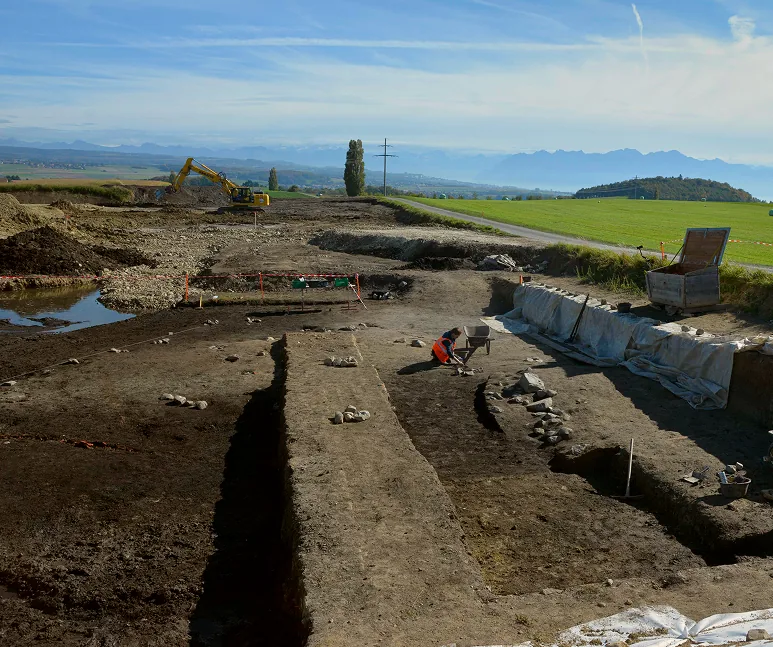
State archaeological authorities face unique challenges: legal mandates with zero tolerance for failure, territorial responsibility across entire states, and permanent custodianship of irreplaceable heritage, all while managing explosive workload growth with stable resources.
ArcheoBase is designed as permanent institutional infrastructure to meet these challenges. Developed in close collaboration with public archaeological authorities and state IT services, it provides the territorial oversight, regulatory workflow integration, and long-term data sovereignty that state institutions require.
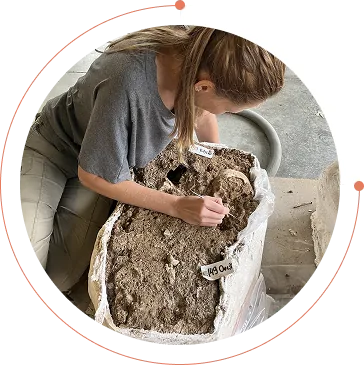
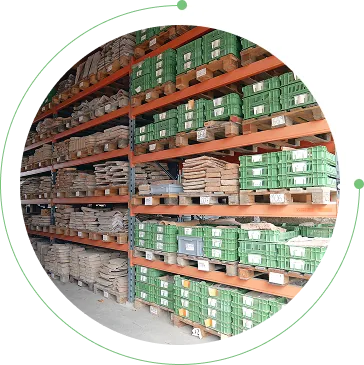
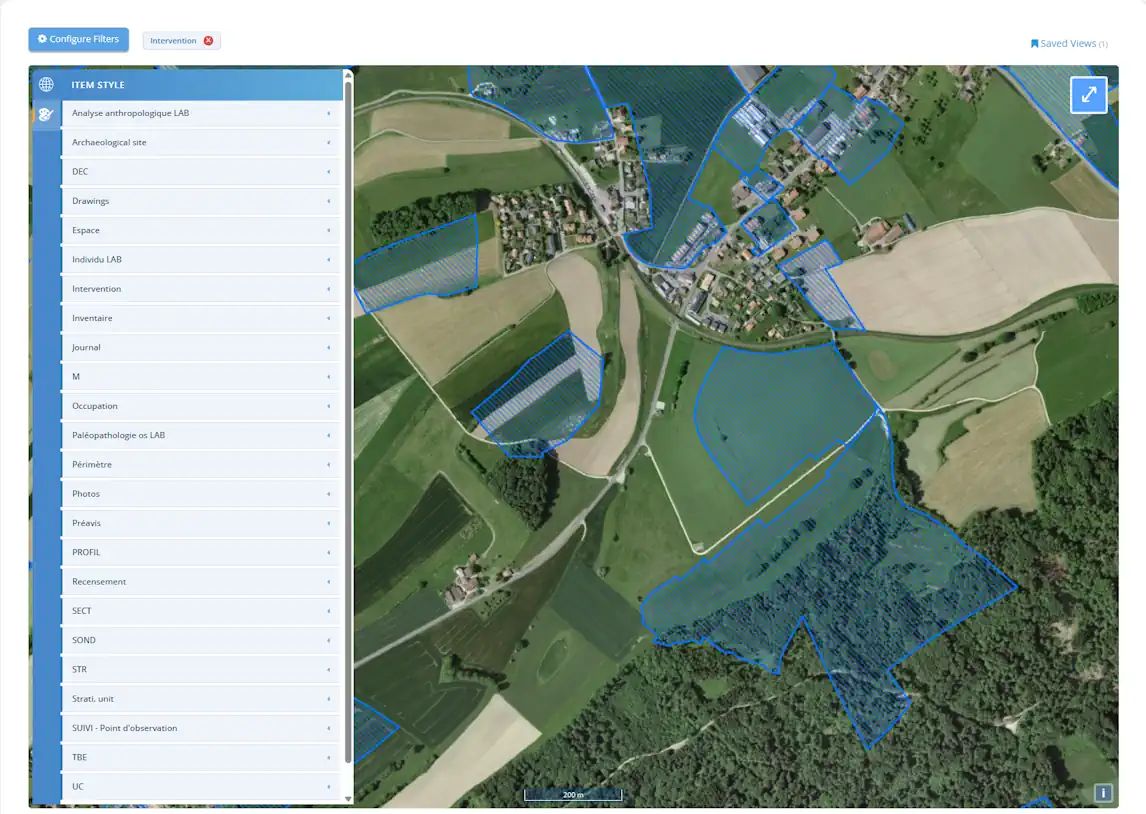
ArcheoBase eliminates the usual data fragmentation. From the first trowel stroke in the trench to conservation treatments in the laboratory to long-term storage management, all data exists in one coherent, synchronized environment.
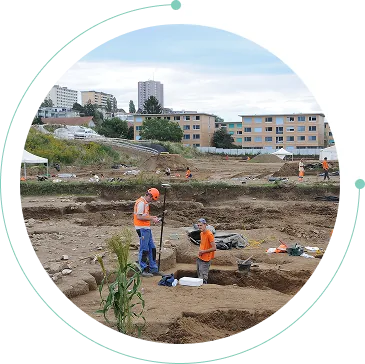



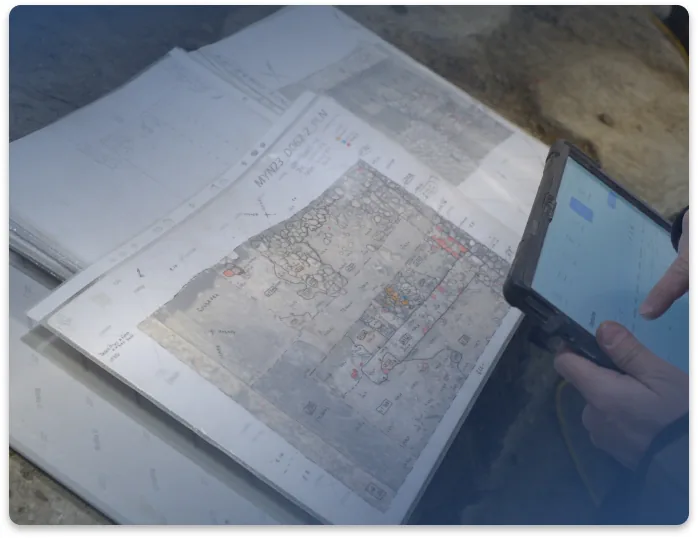
ArcheoBase adapts to existing archaeological practices. The documentation standards, vocabularies, and workflows remain intact. The platform simply makes them faster and more reliable.
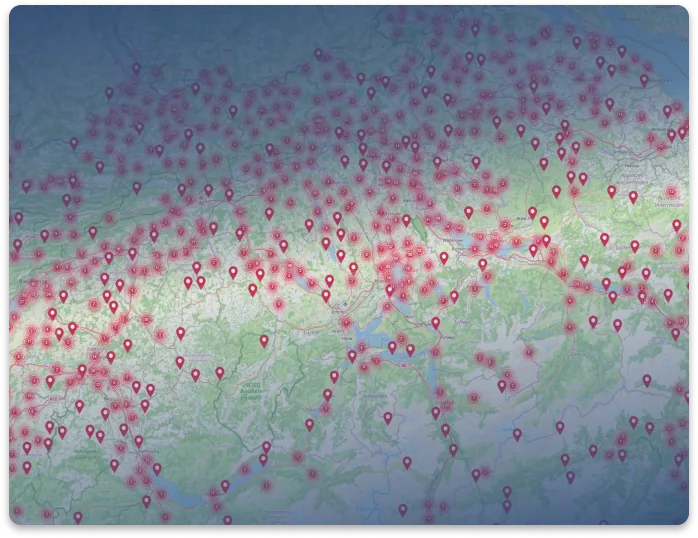
State services operate at a different scale than most organizations. ArcheoBase can handle 10,000+ sites, millions of photographs, and decades of interventions without limits or performance degradation.
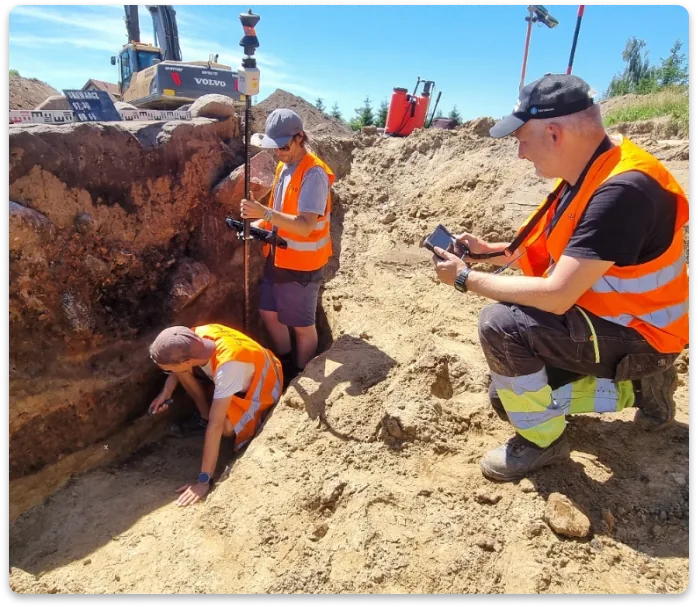
ArcheoBase combines the efficiency of a cloud-based platform with full institutional data control. Teams work collaboratively online, while the complete archaeological database can be automatically backed up and synchronized to the institution's servers. State authorities retain sole ownership and long-term custodianship of all data, in compliance with legal and archival requirements.
Simultaneous users on one site
Objects & lots inventoried
Photos centralized in real time
ArcheoBase provides a shared framework for internal teams, external contractors, researchers, and partner institutions. The state authority can define and share standardized thesauri, forms, and workflows for every type of action, ensuring interventions produce data in a consistent format. Each actor works within defined roles and access rights.


One unique identifier follows each artifact permanently: through laboratory conservation records, cataloging, storage, loans and archival deposits. No duplicate numbering systems, no reconciliation between field and museum numbers.
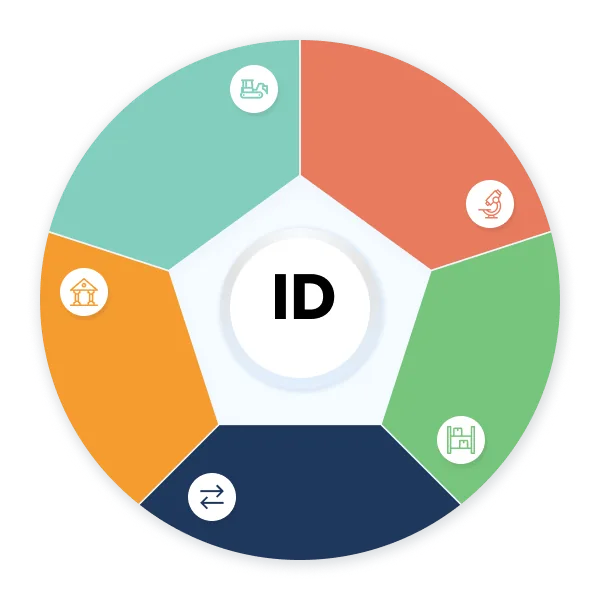 Trench
Lab
Collection
Loan
Museum
Single ID
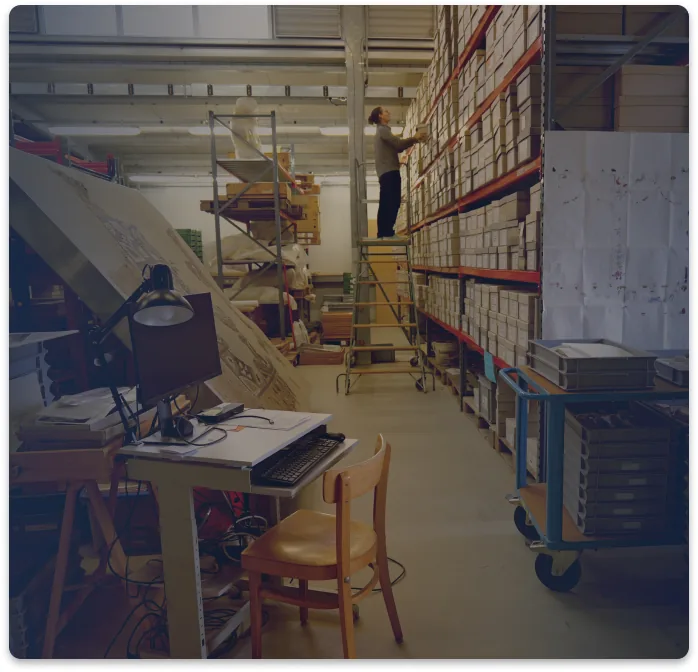
State archaeological services hold decades of excavation records, reports, inventories, and digitized documents that may be difficult to access and exploit. ArcheoBase allows these legacy archives to be progressively integrated into the same database structure. Existing datasets can be imported with minimal friction and immediately benefit from the same unified search and mapping tools.
As a cantonal archaeologist, it is important to me to provide as calm a working environment as possible for my colleagues. To achieve this, digitalization is a very important development to successfully manage the necessary workload and to carry out all the operations that must be done…